How Rainbow Six Siege Pros Actually Win (It’s Not About Aim)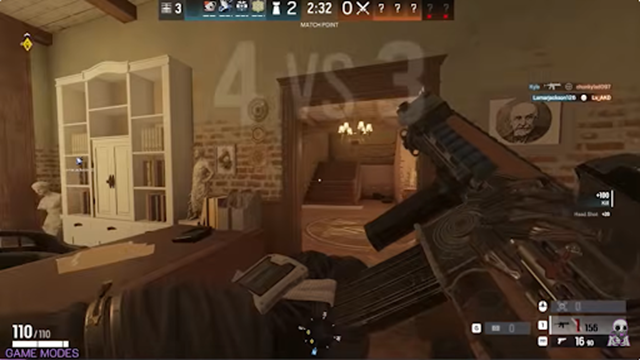
Most players think Rainbow Six Siege is all about landing headshots. They’re wrong.
Watch any pro match and you’ll notice something fascinating. The best players aren’t necessarily the ones with godlike aim. They’re the ones who gather intel first, coordinate operator picks, and control time like chess masters.
Strategy beats raw mechanical skill in Siege. Always has, always will.
That’s why a Bronze player with a good plan can sometimes outplay a Platinum player who relies purely on gunfights. And it’s definitely why professional teams spend hours drilling coordination drills instead of just practicing aim.
Here’s how the pros actually dominate matches.
The Foundation: Intel Wins More Rounds Than Aim
Every successful attack starts the same way. Drone first, push second.
Those first 30 seconds of prep phase? That’s where rounds are won or lost. Professional attackers use that time to spot defender positions, identify weak points in their setup, and mark rotation routes.
The difference between ranked players and pros is simple. Ranked players drone once, then forget about it. Pros treat drones like they’re worth their weight in gold—because they are.
Think about it. Would you rather face an enemy you know is in the corner with a deployable shield, or walk into a room blind? One scenario gives you options. The other gets you killed.
Defenders have their own intel game. Valkyrie’s cameras outside windows. Maestro cams watching flanks. Even bullet holes in soft walls to peek common angles.
The team with better information makes better decisions. Better decisions lead to more round wins. It’s that straightforward.
Operator Synergy Creates Unstoppable Attacks
Random operator picks lose games. Coordinated picks steamroll defenses.
Here’s a classic example. Thermite wants to breach a reinforced wall. But there’s a Bandit battery or Mute jammer blocking him. Enter Thatcher, whose EMPs disable defender gadgets in a huge radius.
Suddenly that “impenetrable” wall is wide open.
The pros take this concept further. They build entire strategies around operator combinations. Hibana breaches from one angle while Buck attacks from above. Defenders split their attention, and somebody dies.
Vertical play amplifies this effect. Buck’s skeleton key shotgun can open floors and ceilings, forcing defenders to watch multiple angles simultaneously. Nobody can hold five angles at once.
Even if you’re not coordinating with a full squad, understanding which operators complement each other helps. Bringing Thatcher when someone picks Thermite makes sense. Picking a second hard breacher when the first one fails? That’s game sense.
Some players take this to extremes and use tools like Battlelog’s Rainbow Six Siege hacks with aimbot to guarantee kills after getting position, though that’s obviously controversial and carries ban risks.
Time Management Separates Winners From Losers
Every round has three phases, and understanding them changes everything.
The first 30 seconds belong to preparation and intel gathering. Attackers drone. Defenders reinforce and place gadgets. Nobody should be taking gunfights yet.
The middle phase is execution time. Attackers clear rooms and push toward bomb sites. Defenders hold angles and waste attacker time. This is where strategies either work or fall apart.
The endgame is pure chaos. Time’s running out. Attackers need to plant the defuser. Defenders need to deny that plant or defuse if it goes down.
Professional attackers plant fast. They don’t wait until there’s 30 seconds left and then panic. They get map control, clear defenders, and plant with enough time to actually defend it.
Defenders play the opposite game. They want to waste as much attacker time as possible. Force them to drone every room. Make them clear every angle. Run the clock down until attackers have to rush.
Rushed attacks are sloppy attacks. Sloppy attacks get people killed.
Positioning Beats Aim in Most Gunfights
Here’s something nobody wants to hear. Better positioning wins more gunfights than better aim.
A player holding a tight angle with cover will beat a player with better aim who’s exposed in the open. Every single time. Because the player with cover only needs to land one headshot. The exposed player needs to be perfect.
Isolating fights makes this even more powerful. Pro players avoid situations where they’re exposed to multiple angles. They peek one angle, take that fight, then reposition.
Fighting two enemies simultaneously? That’s how you die. Even if you win, you probably traded, and trades usually favor defenders.
The neck-shoulder trick helps too. Most players aim at head height, but recoil pulls weapons up. Aiming slightly lower—at the neck or upper torso—means recoil carries bullets into the head naturally.
Still, positioning matters more. A bad angle with perfect aim loses to a good angle with decent aim.
Team Coordination Multiplies Individual Skill
Solo queue warriors eventually hit a wall. The wall is called teamwork.
Refrags demonstrate this perfectly. One teammate peeks and gets killed. The second teammate immediately swings that same angle and trades the kill. The attacking team loses zero players overall.
Without coordination, that first death is just a death. With coordination, it’s information and an opportunity.
Even without voice chat, smart players use the ping system. Yellow outlines mark enemy positions. White outlines show important gadgets. These callouts help teammates make decisions.
Utility coordination matters too. One player throws a flashbang while another pushes. Or someone creates noise on one side of the map while teammates push the other side.
Defenders need this even more. Roaming works best when anchors know where roamers are. Communication prevents teammates from shooting each other during rotations.
Bomb Mode Teaches Everything Important
Casual modes are fine for warming up. But Bomb mode is where actual strategy happens.
Attackers need to plant the defuser on one of two sites, then prevent defenders from defusing it. That simple objective creates incredibly complex scenarios.
Where to plant matters. Planting in the open gets you killed during the animation. Planting in a corner with cover lets you defend it from a strong position.
Defenders fortify bomb sites, deny plants through gadget placement and position, and try to waste attacker time. If the defuser goes down, they need to reach it and hold the area long enough to defuse.
These dynamics teach everything. Map control. Time management. Trading kills. Using utility. All the core skills that make players better.
Starting With The Right Operators
New players often pick operators randomly. That’s a mistake.
Some operators are universally useful. Thermite and Thatcher combo works on almost every map. Valkyrie’s cameras provide intel anywhere. Buck’s vertical play creates opportunities constantly.
These picks are safe because they fit multiple strategies. As understanding deepens, experimenting with specialized operators makes sense. But starting with versatile operators builds good habits.
The worst thing new players do? Picking five roamers on defense or five entry fraggers on attack. Balanced team composition matters more than everyone playing their “favorite” operator.
Practice The Right Way
Playing more matches doesn’t automatically build skill. Practicing deliberately does.
Unranked mode is perfect for trying new strategies without rank pressure. Training grounds help with aim and operator gadget familiarity. Custom games let teams practice specific executions.
The key is focusing on specific skills. One session might emphasize drone usage. Another focuses on vertical play angles. Scattered practice produces scattered results.
Professional teams review their matches afterward. They watch rounds they lost and identify mistakes. Where did intel gathering fail? Which operator synergies didn’t work? What positioning errors led to deaths?
That feedback loop – try strategy, review results, adjust approach—accelerates improvement faster than just grinding matches.
Rainbow Six Siege rewards smart play over flashy aim. Understanding that changes everything about how you approach matches. Master the fundamentals, coordinate with teammates, and watch your win rate climb.