Nigerian Track and Field Athletes
Athletics participates are almost as old as the Athletics Federation of Nigeria itself. Nigerian participates have been involved in other Nigeria dominated activities like the Commonwealth Games, the World Championships, and the Olympic Games. The achievements are as a result of great grassroots programs, and identification of great sports talent in schools and in the military programs. The present document attempts to document Nigerian track and field athletes in a succinct fashion and tells the story of the great track and field athletes of the past, and other greats of the present, and Nigeria’s place in the world in athletics. Visit https://nigeria-bets.com/bookmakers/betbonanza/apk-app today and let’s get started!
The Hall of Fame: Legendary Icons of Nigerian Athletics
Nigeria’s athletics achievements globally have been done over a long period of time. It took athletes who competed at a time there were limited resources and actionable global athletics exposure. These athletes built a foundation on the technical, mental, and structural attributes for the future generations to come. These attributes brought Nigeria to the rankings of a global athletics nation.
Chioma Ajunwa and Innocent Egbunike: Their Historical Pioneers
Chioma Ajunwa is one of the most important names in history in Nigerian Sports. She is the first person to win an indivisual Olympic Gold Medal in the country, wining it at the Atlanta Games in 1996, in the Women’s Long Jump category. She jumped 7.12 meters, and this jump was amazing for both the distance and the jump’s timing, achieved in an extremly competitive final jump. Ajunwa’s wins helped to show that in Long Jumps, Nigerian Athletes could win at global levels. She was and is still a great trailblazer for Nigerian Athletics.
Before Ajunwa’s Breakthrough, Innocent Egbunike Had Established The Reputation Of Nigeria In Sprinting. He was a 400 Meters Runner and part of sucesss in the relays in the late 1980’s to Early 90’s. Egbunike had some medals in the African Champs and in the CommonWealth Games, and part of the 4x400m relay team that earned the Silver Medal in the 1996 Olympics. He was a great example of the countries early ability in the domain of all speed killing distance and coordination of the relays.
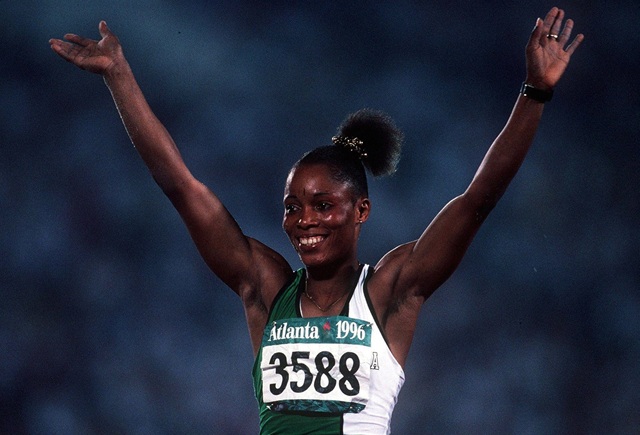
Mary Onyali and the Sprint Dynasty 4x100m Relay Teams
Mary Onyali is one of the greatest Nigerian sprinters of all time. Competing in 5 different Olympics is a record very few athletes can boast. Onyali has the medals to prove her worth, with Olympic Bronze medals in the 4x100m relays and World Championship medals spanning 2 decades. Onyali is one of the few athletes (if not the only one) to have been a great athlete in Nigeria’s first major sprinting boom and the contemporary professional athletics era.
Historically, Nigerian women’s 4x100m relay teams have been dominant in Africa. They made the Olympic and World Championship Finals throughout the 1990’s and early 2000’s. Their dominance was based on the speed of their relay teams, flawless baton exchanges, and extensive relay training. This established Nigeria as a competitive medal winning nation in sprinting.
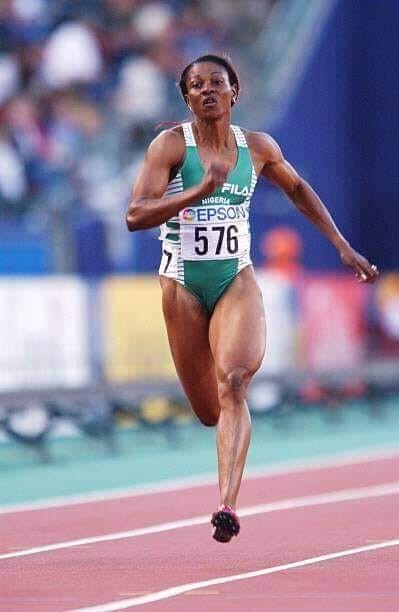
Past Olympic Success and Current National Records
Not only does Nigeria have a rich Olympic history with Nigeria winning medals in Athletics during the Olympic Games, Nigerian Athletics history has winning records from the 20th century! Nigerian records from the 20th century in sprinting, jumping, and relays still compete on the world stage.
Beyond medals, Nigeria had major championship final appearances. Finals earned significant points and boosted Nigeria’s profile, solidifying importance in the world of athletics. For many athletes, and coaches and administrators, this iconic period was the benchmark to restore and expand stature in athletics on the world stage.
Top Nigerian Performers: Current Stars of Nigeria in 2026
In 2026, Nigeria is once again relevant in global athletics, because of the new talent pouring in. This new talent, along with a supporting enhanced competitive system, has matched the best in the world. Now Nigerian athletes have developed enough to compete on the global stage, most recently in the Diamond League and the World Athletics Championship.
Tobi Amusan: The World Record Holder in 100m Hurdles
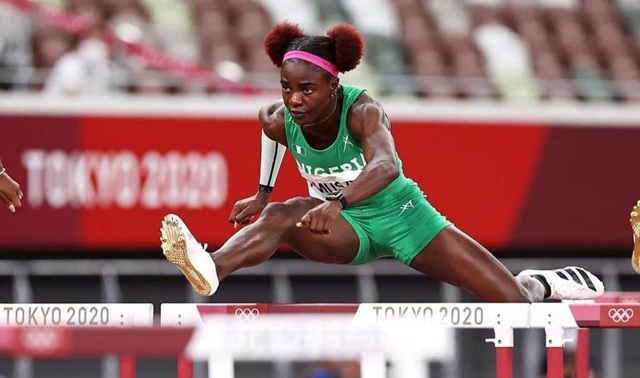
Amusan has captured the attention of the entire nation of Nigeria and has become a global sensation, especially in the women’s 100m hurdles discipline. Tobi Amusan dominated the 2022 World Championships and is the reigning world champion and world record holder in the 100m hurdles, becoming the first African to achieve this feat at that level. No athlete in the finals came even close to Amusan’s performance, as she consistently finished second behind Fasuba–era benchmarks in historical comparisons while redefining modern standards.
Amuson has proven what determination, and perseverance can accomplish as an elite athlete who specializes in technical sprint hurdles, achieving a remarkable personal best and setting an African record. She is a champion and has been African champion in addition to multiple wins in the Diamond League, including performances recorded indoor and outdoor! She now has the entire country of Nigeria recognized for their sprinting capabilities, similar to legends such as Olusoji Fasuba, and has the entire youth of her country sprinting. Amusan is still outstanding even in 2026, qualifying for all finals and achieving podium finishes on the continental stage, including appearances in Tokyo and Beijing cycles.
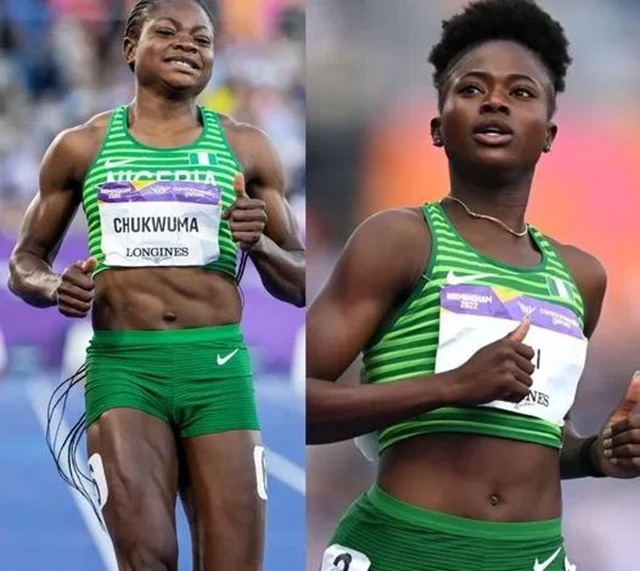
Favour Ofili and Rosemary Chukwuma: The New Queens of Sprint
Favour Ofili and Rosemary Chukwuma are true champions. They are breaking and winning records in track and field. Ofili’s racing strategies have served her well, making her a strong finisher at the 2023 World Athletics Championships and recent Diamond League meets. This is a winning quality to possess at the highest level of track and field. Chukwuma has also proven to be a strong world class sprinter and a strong finisher. She was a great value addition to the Nigerian 4x100m relay team as it proved to be a championship improvement. Ofili and Chukwuma are currently the best female sprinter of Nigeria, and it goes on to show that the Nigerian Athletics Board’s recent steps are finally providing positive results. This is a positive development not only for Ofili and Chukwuma but for the whole Nigerian track and field event.
Ese Brume: Consistency and Excellence in the Long Jump
Brume maintains her competitive presence with the technical aspects, mental management, and injury resilience over the multiple seasons she has competed. Brume’s accomplishments stand out among her peers. Brume established a benchmark in the sport as the most consistent jumper, always clocking in at beyond the 6.80 meters mark.
Brume maintains her competition presence with the technical aspects, mental management, and injury resilience over the multiple seasons she has competed. Like other Nigerian greats in Long Jump, Brume is a regular feature in the finals of the major global championships and one of the medal prospects.
Conclusion
The history of Nigerian Athletics is the result of endless hard work over the years, dating back to 1984, 1987, 1988, 1990, and the landmark 1992 summer Olympics. The efforts of the track and field pioneers like Innocent Egbunike and Olympic champions like Chioma Ajunwa, who set a national record and won a gold medal in a track and field discipline, have earned the respect of the world. This history is the legacy of the current stars like Tobi Amusan, Favour Ofili, Rosemary Chukwuma, and Ese Brume, following in the footsteps of athletes such as Fasuba, sprinter victor Omagbemi, and other notable Nigerian male competitors.
Nigeria has always been the home of world-class talent and is always on the world top tier list, producing the fastest man in Africa at different times with marks like 10.00s. Nigerian Olympians are top-class athletes like no other, from born in sapele legends to stars developed at Obafemi Awolowo university (oau). Nigeria is the best when it comes to hurdles, relays, and jumps, including the 400m and relay formats. What Nigeria lacks is infrastructure and funds to develop the sport, but the nation continues to produce athletes who finished second, won medals at the 2002 commonwealth games, the 2007 world championships, the 2008 Summer Olympics, and remained competitive through 2020 and beyond.
FAQ
Who was the first Nigerian to win an individual Olympic gold medal?
Chioma Ajunwa became the first Nigerian to win an individual Olympic gold medal. During the 1996 Atlanta Olympics, she made history by being the first Nigerian woman to win a gold medal in long jump. This achievement was after she had a silver medal win at the 1992 Olympics plus one medal win at the 1992 summer Games in the other earlier sports disciplines.
What are Tobi Amusan’s major career achievements?
Tobi Amusan became a world champion gold medalist, being the first woman to break the record in the 100m hurdles, an achievement that had gone unmatched since the 1997 world indoor championships. She has also been an African Championship gold medalist since 2016. Amusan even served in a special adviser type of position with the title champion of youth athletics inspiration. Amusan has also won the Diamond League title multiple times and has been ranked among the world’s best hurdles, being in the top ten at one point.
For 2026, Which Nigerian Athletes are in the Top 10 in the World?
Tobi Amusan should still be in the world’s top 10 for the 100m hurdles in 2026. Ese Brume will still be in the top 10 for long jump. Nigeria also possesses Favour Ofili and Rosemary Chukwuma in the elite world standard for the 100m and 200m sprints, extending an unbroken line of excellence fostered by the likes of the former director general and other officials of the talent hubs in the city of Onitsha and the delta state.