
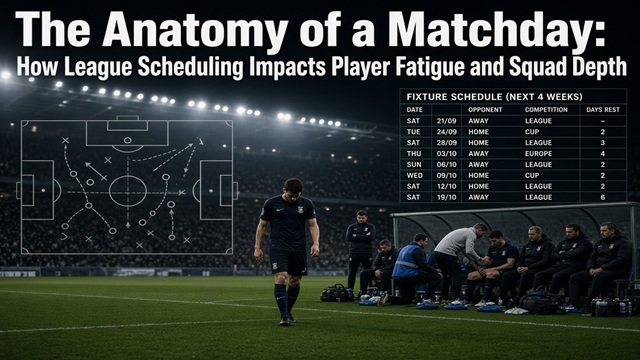
Modern pro football has a packed schedule. The teams play in home leagues, cups, international matches, and more. Top clubs feel a lot of pressure to be strong through many games each year. As the games pile up, it’s important for coaches, sports science staff, and other staff to know how these games affect the players’ bodies.
The way a league plan is set up controls how managers use their squads, change their plans, and help players rest. When teams have to play three times in one week, they feel tired. This changes how fast the players run, how far they go, and how well they make choices. People who track how busy a team is and read team updates on the Direct UFABET Website (UFABET เว็บตรง) often notice small changes in the starting players. This shows the coach had to adjust plans to deal with a busy schedule. Looking at how squeezed the matches are helps us make good guesses about games and see how strong the squad will be for the whole season.
1. Physiological Consequences of Dense Match Calendars
High-intensity football needs your muscles to feel better fast. You also have to refill your energy stores and clear your mind. When you have less than 72 hours to rest, tiredness starts to build up in your body.
- Increased Injury Risks: Soft tissue injuries like hamstring strains and groin tears go up a lot when rest time between tough matches is less than it should be.
- Decreased High-Intensity Sprints: Total distance run can stay about the same, but when players feel tired, they do fewer fast sprints in pressing times and during changes in play.
- Cognitive Fatigue and Errors: When the body gets tired, people react more slowly and lose focus. This leads to weak play at the back, bad spots in set pieces, and giving up late goals.
| Rest Period Between Matches | Physical Recovery Status | Tactical Impact | Injury Vulnerability |
| 7+ Days (Single-Match Week) | Complete muscle recovery, optimal glycogen | Full high-press capability, peak physical output | Low |
| 4–5 Days (Standard Midweek) | Near-full recovery, minor fatigue residual | Moderate squad rotation required | Moderate |
| Less than 72 Hours | Incomplete muscle repair, high fatigue | Deep rotation essential, defensive block preferred | High |
2. Squad Depth as a Strategic Imperative
In top-level football, having a good starting lineup is not enough to win trophies. Teams must find ways to handle busy match schedules. This means you need to have other players in the team who can play well when they take the place of someone. The team must be able to keep playing at a high level, even when changing players.
- Positional Versatility: Managers like players who can play in more than one spot. They want people who can move between wing-back, central midfield, or winger as needed.
- Tactical Flexibility: A big squad lets the manager change plans. The team can go from a fast pressing game to a counter-attacking style if top players need a break.
- Bench Impact: New substitutes who come in at about the 60th minute help take advantage of tired players on the other side. This pushes the game in favor of teams with a lot of good players.
3. Tactical Adjustments to Mitigate Physical Exhaustion
Coaches change their plan for the match to save energy when there are many games to play in a short time. Instead of always pressing hard for all 90 minutes, the team may stay back in a low block. They may also try to slow down the game and keep the ball more.
Checking real-time team picks and how often games happen on the Direct UFABET Website (UFABET เว็บตรง) lets sports fans see how managers change plans. You can keep an eye on how they keep players rested and handle the jobs of important players when games pile up in the middle of the season.
4. Analytical Tracking of Squad Rotation and Form Trends
To see how league scheduling affects how a team plays, you need to watch for how often players are rotated, how many minutes they play, and if teams play worse after mid-week matches in continental games. Teams that use smart rotation of their players do better than teams that use the same starting lineup all the time, especially in the second half of the season.
Using verified match numbers found on the Direct UFABET Website (UFABET เว็บตรง), people can see how the match schedule affects team choices, betting odds, and the final results in the league.
Conclusion
The way a matchday works is about more than just the game that is played for 90 minutes. The league plans, travel needs, and many games close together put steady pressure on how players feel and how teams do. Clubs that have a balanced squad, use data to help players recover, and change their tactics as needed deal with busy schedules well. These teams turn tough days on the calendar into strong points for their future.
